
Blog
Oxycodone 20mg: Understanding Its Uses, Dosage, and Price

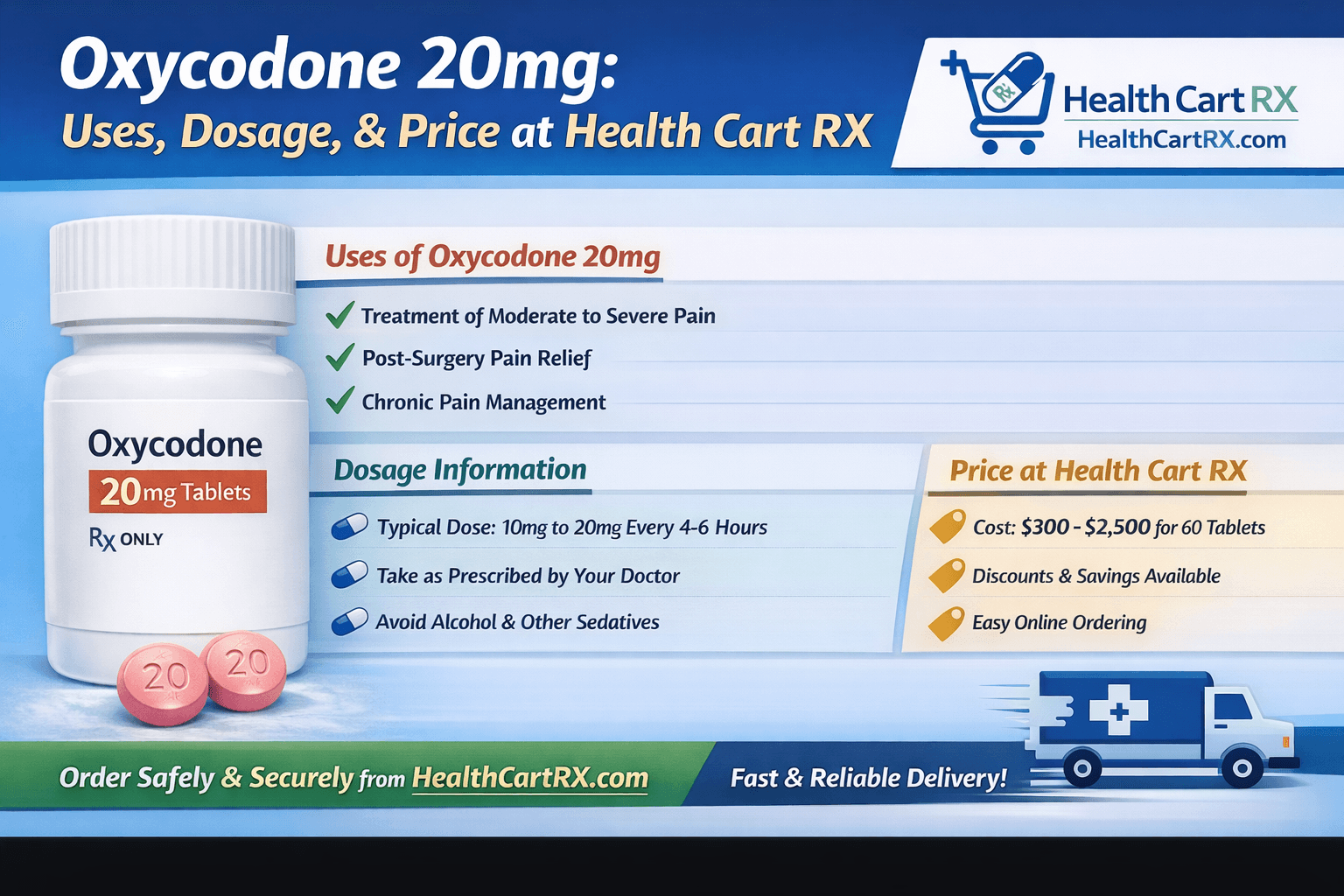
Oxycodone is a potent opioid analgesic commonly prescribed for moderate to severe pain. Oxycodone 20mg is one of the typical dosages used to provide effective pain relief, whether in the form of standalone oxycodone pills or in combination with other medications like acetaminophen in Percocet. In this blog post, we will discuss the various aspects of oxycodone 20mg, its different forms, potential side effects, and its price.
What Is Oxycodone 20mg?
Oxycodone is a prescription medication used primarily to treat moderate to severe pain. It works by altering how the brain and nervous system perceive pain, making it an essential tool for pain management. Oxycodone is available in different forms, including as a standalone opioid or combined with acetaminophen, as is the case with Percocet.
This medication can be found in both immediate-release and extended-release formulas, which are tailored to provide pain relief at varying intervals depending on the individual’s needs. Oxycodone HCL 20mg, for example, refers to the pure form of oxycodone hydrochloride, typically used for patients who require strong pain management without additional ingredients.
How Does Oxycodone Work?
Oxycodone works by binding to specific receptors in the brain and spinal cord known as opioid receptors. When it attaches to these receptors, oxycodone alters the body’s perception of pain and can induce feelings of euphoria. This is why it is effective for treating severe pain but also why it carries the potential for misuse, addiction, and physical dependence.
For those who are prescribed oxycodone 20mg, it is crucial to follow the dosage guidelines closely to avoid side effects such as drowsiness, constipation, and, more seriously, the risk of overdose.
Common Uses
It is generally prescribed for individuals suffering from moderate to severe pain. Some common uses include:
- Post-surgery recovery: After major surgeries like joint replacements or dental surgeries, oxycodone can help manage pain during the healing process.
- Chronic pain management: For conditions like arthritis, cancer, or back pain, oxycodone can provide much-needed relief when other treatments are insufficient.
- Injury-related pain: Whether from an accident or a sports injury, oxycodone 20mg can help control pain from fractures or severe soft tissue injuries.
This medication may also be prescribed for those who require around-the-clock pain relief due to its long-acting formula. Some patients may also use 20 mg Percocet, which combines oxycodone with acetaminophen for added efficacy in pain control.
Forms of Oxycodone
Oxycodone 20mg is available in several formulations to suit individual patient needs:
- Oxycodone 20mg Pills/Tablets: These are often the most common forms and are taken orally for effective pain relief.
- 20mg Percocet: This form combines oxycodone with acetaminophen and is prescribed for enhanced pain relief, particularly when the pain is moderate to severe.
- Oxycodone HCL 20mg: This is the pure form of oxycodone, which does not contain acetaminophen. It is typically used for patients who are not suitable for combination medications or need stronger opioid treatment without the added ingredients.
Each form has its own benefits depending on the patient’s specific pain management needs, and your healthcare provider will determine which one is most appropriate for you.
Oxycodone HCL 20mg Dosage
It’s important to note that the correct dosage of oxycodone depends on various factors, including the severity of your pain, your opioid tolerance, and any underlying health conditions. The usual adult dose for oxycodone 20mg is typically one tablet taken every 4 to 6 hours for pain. However, your doctor may adjust the dosage based on your pain management needs and previous experience with opioids.
Patients who have never used oapioid medications before are often started on a lower dose to minimize the risk of side effects. Oxycodone should always be taken exactly as prescribed, as improper use can lead to serious health risks, including addiction and overdose.
Side Effects of Oxycodone
While oxycodone is an effective pain reliever, it is not without its risks. Some common side effects include:
- Drowsiness
- Nausea and vomiting
- Constipation
- Dizziness
In more severe cases, oxycodone use can lead to respiratory depression, confusion, or an allergic reaction. It’s crucial to monitor for signs of these severe side effects and seek medical help immediately if they occur.
Long-term use of oxycodone may also lead to tolerance (requiring higher doses for the same effect) and physical dependence. Because of these risks, oxycodone is typically prescribed for short-term pain management or for those who are already experienced with opioid medications.
Oxycodone 20mg Price
The price of oxycodone 20mg can vary depending on several factors, including whether you’re purchasing it through insurance or paying out-of-pocket. Generally, the cost of oxycodone 20mg pills or 20mg Percocet can be higher due to the combination of ingredients (oxycodone and acetaminophen).
However, Health Cart RX offers competitive pricing on oxycodone medications, including oxycodone HCL 20mg, ensuring affordable access to pain relief for those who need it most. Keep in mind that the price may differ based on the type of medication (generic versus brand-name) and your location.
If you are paying for your prescription out of pocket, checking with various pharmacies for price comparisons is a good idea. Generic oxycodone options can be more affordable than brand-name products and offer the same pain relief benefits.
Conclusion
Oxycodone 20mg is an essential pain management medication for those suffering from moderate to severe pain. Whether you’re using oxycodone 20mg tablets, 20mg Percocet, or oxycodone HCL 20mg, it’s crucial to understand the risks, proper dosage, and potential side effects associated with this drug.
If you’re looking for affordable oxycodone medication, Health Cart RX provides competitive prices and a variety of options to suit your pain relief needs. Always consult with your healthcare provider before starting or adjusting your medication, and never exceed the prescribed dose to avoid the risks associated with opioid use.
https://shorturl.fm/jMRdd